Scroll to top
Security Drivers

Our Services

Security Drivers

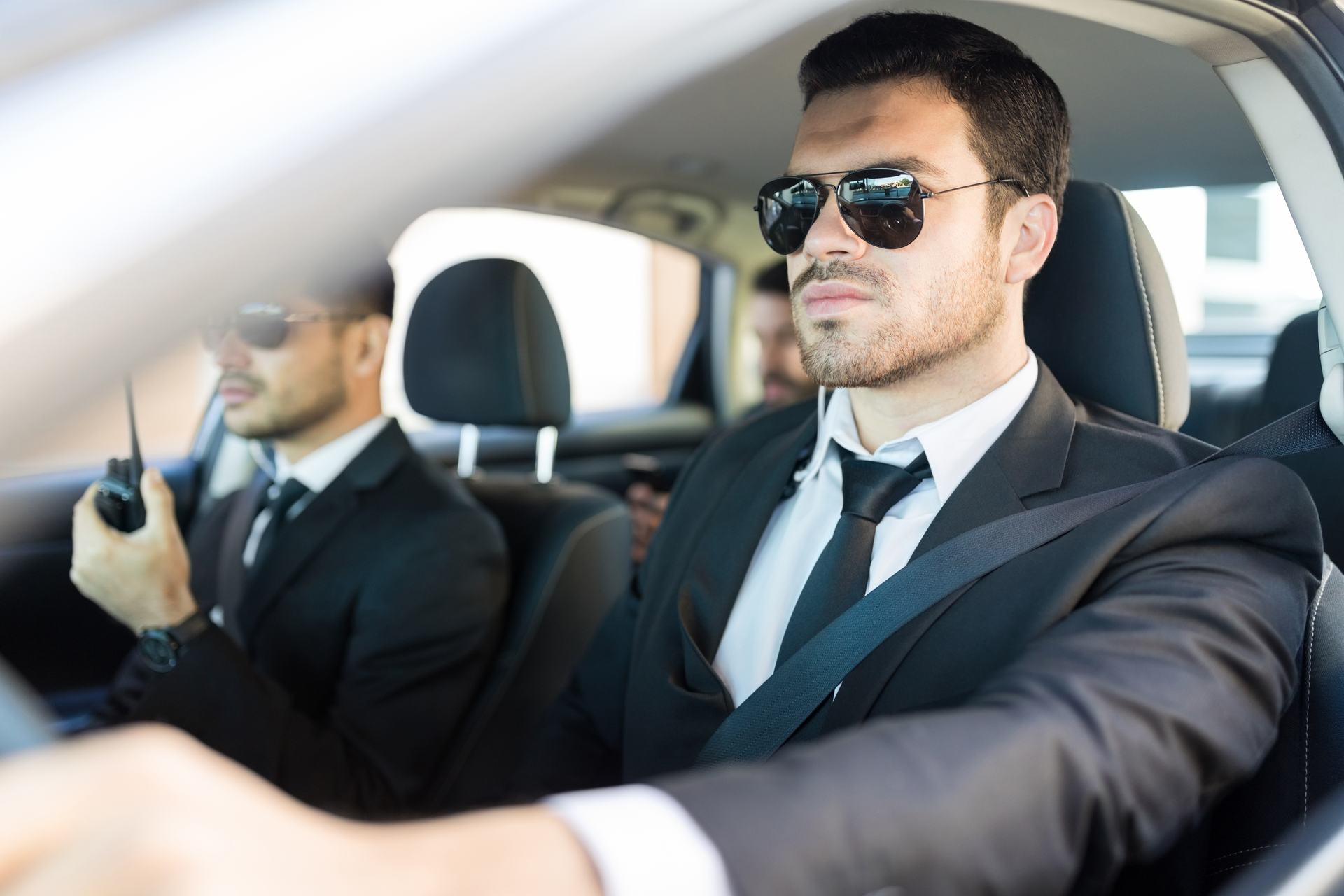
Trained security drivers with armoured vehicle access and real-time route intelligence in high-risk cities worldwide.

Need secure ground transport?

Ground transport is the most vulnerable phase of any movement in a high-risk city. Carjacking, express kidnapping, roadside robbery, and traffic-related ambush are all threats that a trained security driver mitigates through route selection, vehicle positioning, and evasive capability.

Why a regular taxi or hotel car is not enough

A hotel driver knows the city streets. A security driver knows which streets to avoid, when to avoid them, and what to do when something goes wrong. The skill set is fundamentally different.

Security drivers are trained to read traffic patterns for anomalies, identify potential surveillance, execute evasive manoeuvres, and communicate in real time with the close protection team. They also know the locations of hospitals, police stations, and safe havens on every route they drive.

Vehicle selection

In most high-risk P1 cities, we deploy armoured vehicles as standard. The armouring level depends on the local threat: handgun-rated (B4) for cities with opportunistic armed crime, or rifle-rated (B6) for environments with more organised threats.

Vehicles are maintained to operational standards and inspected before every assignment. GPS tracking runs continuously, feeding position data to our operations centre.

How it works on the ground

Your driver meets you at the airport (airside where available) and drives a pre-planned primary route to your destination. At least one alternate route is identified in advance. During the assignment, the driver maintains vehicle readiness at all times, never parking in unsecured locations and always positioning the vehicle for rapid departure.

For multi-day assignments, the driver is dedicated to your movement schedule. They receive real-time intelligence on road conditions, protests, checkpoints, and security incidents to adjust routes dynamically.

See also: security drivers in Bogota | security drivers in Johannesburg

What separates a security driver from a standard chauffeur

Defensive driving is a specific skill set, not a description of careful driving. Security drivers are trained in evasive manoeuvres, high-speed reverse, and pursuit recognition. They conduct vehicle pre-checks before any movement and hold hostile environment first aid qualifications. Standard chauffeurs hold none of these capabilities.

Route planning is the other major differentiator. A security driver plans routes before departure: primary and alternative routes, known choke points, areas of documented criminal activity, and current operational conditions such as events or protests that create predictable congestion. Navigating on a standard mapping app is not route planning.

For a full account of the differences, see our security driver guide. For vehicle specification options including armoured vehicles, that guide covers the options and when each is appropriate.

Ground transport in high-risk cities

In cities including Lagos, Bogota, Karachi, and Sao Paulo, ground transport management is the primary security challenge. Airport arrivals are the highest-risk transition of any trip. Express kidnapping schemes targeting international travellers operate at arrival halls in multiple P1 cities. A vetted security driver with a confirmed vehicle and a pre-agreed verification protocol addresses this risk directly.

When to upgrade to armoured transport

The decision to use an armoured vehicle versus a standard vehicle is a threat assessment, not a default. In cities where the primary ground transport risk is opportunistic theft, a standard vehicle with a trained driver is often the correct posture. Armoured vehicles carry operational tradeoffs: they are heavier, handle differently at speed, and can be visually distinctive in ways that attract attention rather than reduce it.

The threshold for armoured transport is typically: documented armed attacks on vehicles in your sector or organisation in the destination city; specific threat intelligence pointing to you or your travel party; or operating in areas with a documented pattern of armed vehicle crime. Your security provider should advise on vehicle specification based on current local intelligence for your specific trip, not the city’s general reputation.

Route planning and vehicle selection begin with a formal risk assessment. For the methodology that underpins how we assess threat, vulnerability, and impact before any deployment, see our security risk assessment explained.

For a detailed breakdown of what security driver training actually covers – anti-surveillance driving, evasive manoeuvres, convoy procedures, and armoured vehicle operation – see the protective driving and evasive driving guide.

Professional security drivers delivered by vetted operators

Scope

What's Included

Trained Evasive Drivers

All drivers are trained in evasive and counter-ambush driving techniques. Most have military or law enforcement backgrounds.

Armoured Vehicles

B4 to B6 armoured vehicles available in most P1 cities. Standard vehicles also available for lower-threat environments.

Real-Time Route Intelligence

Drivers receive live updates on traffic, incidents, protests, and road conditions to avoid exposure.

Airport Transfers

Secure pickup from airside or landside, pre-planned route to your destination, with fallback routes identified.

Multi-Day Assignments

Your driver remains with you for the duration of your stay, maintaining vehicle readiness and route knowledge.

GPS Tracking

All vehicles are GPS-tracked and monitored by our operations centre during active assignments.

FAQ

Frequently Asked Questions

In jurisdictions where armed security drivers are licensed and legal, armed drivers are available. In most cases, the driver is paired with a close protection officer who manages the force posture while the driver focuses on vehicle operation and route execution.

Standard assignments use B4 armoured vehicles (protection against handgun fire). For higher-threat environments, B6 vehicles (rifle-rated protection) are available on request. We advise on the appropriate level based on your destination and threat assessment.

Yes. Many clients use security drivers as a standalone service for routine corporate travel in medium-risk cities. The driver provides secure transport, route planning, and situational awareness without the visible presence of a close protection officer.
Get in Touch

Request a Consultation

Describe your security requirements below. All enquiries are confidential and handled by licensed consultants.

Confidential. Your details are never shared with third parties.