Scroll to top
Residential Security

Our Services

Residential Security

24/7 residential protection including perimeter security, access control, safe room protocols, and guard force management in high-risk cities.

Need residential security for your property?

Residential security in a high-risk city goes beyond having a guard at the gate. It requires a security design that accounts for the local threat environment, the property’s physical layout, and the routines of the people living there.

Why residential security matters

Executives, diplomats, and their families living in high-risk cities face threats that differ from the corporate environment. Residential burglary, home invasion, and surveillance of household routines are all documented risks in P1 cities.

The residence is where security should be strongest, because it is where routines are most predictable and where family members, including children, are most likely to be present.

Our approach

We start with a full-spectrum property assessment. This covers the physical perimeter, access points, lighting, sightlines, existing CCTV and alarm systems, and the property’s relationship to its surroundings (neighbouring properties, road access, proximity to known risk areas).

From the assessment, we develop a residential security plan that includes guard deployment schedules, patrol routes, access control procedures, safe room identification, and emergency protocols. Guard forces are vetted through our standard process and managed with defined post orders and reporting requirements.

What good residential security looks like

Good residential security is quiet and professional. Guards are alert, presentable, and responsive without being aggressive or intrusive. Access control is firm but polite. Patrol schedules are unpredictable to potential observers. Communication between the security team, the household, and our operations centre is continuous.

The household should feel safer without feeling like they live in a compound.

See also: residential security in Dubai | residential security in Johannesburg

The physical assessment first

Most residential security improvements are physical, not personnel-based. Perimeter upgrades, CCTV coverage, access control, and lighting address the majority of gaps at a fraction of the cost of a live-in CP officer. A physical security assessment identifies what can be improved and what it will cost before any staffing decision is made.

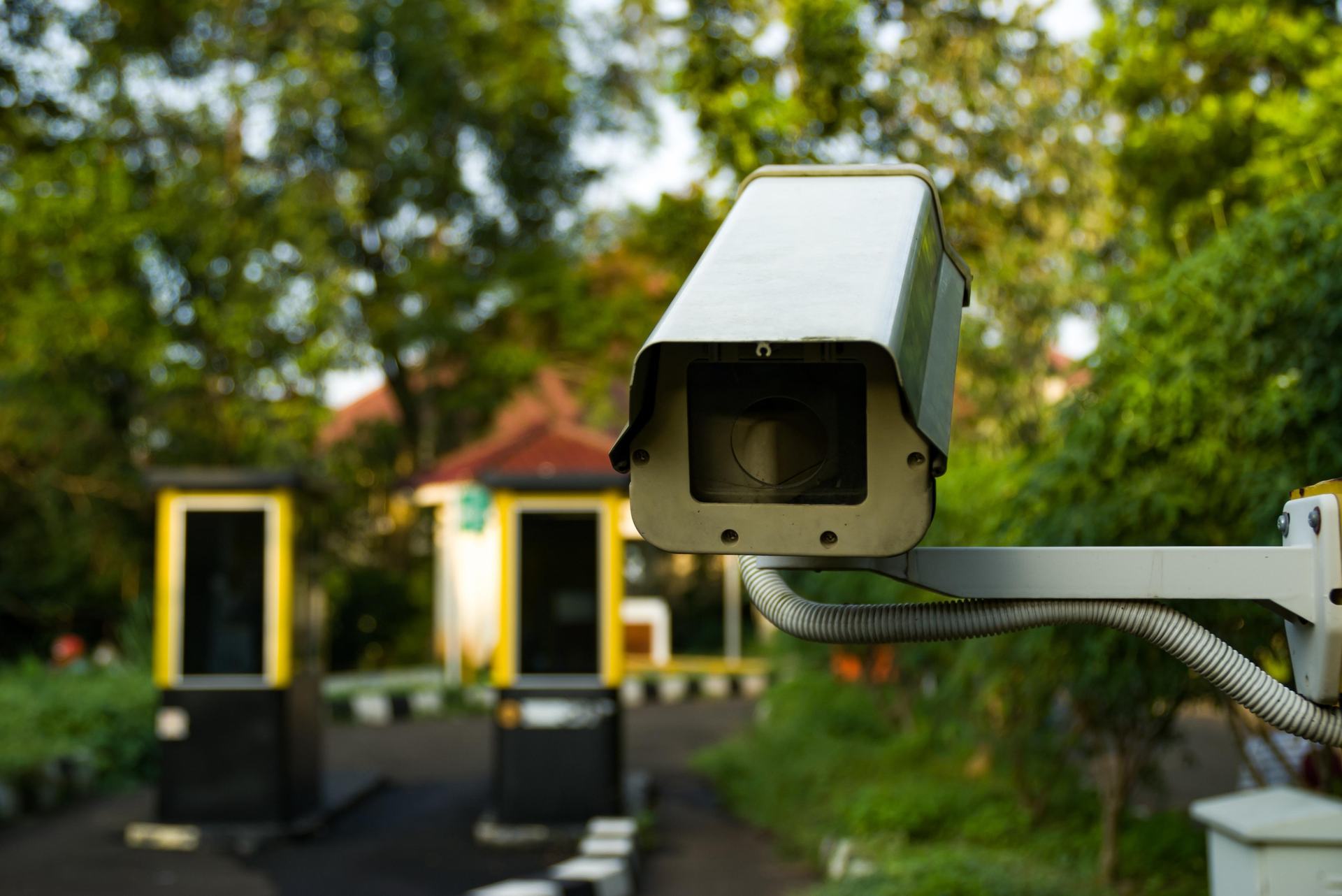
Common high-priority findings from residential assessments: perimeter gates that allow unobstructed observation into the property; primary doors with inadequate lock specifications; CCTV systems with coverage gaps around the most vulnerable approaches; and dark zones on the exterior that allow someone to approach without detection.

For a full account of what a residential security assessment covers and what physical improvements typically result, see our residential security for executives guide.

Domestic staff vetting

The majority of residential security incidents involving insider access involve someone with legitimate access to the property. Standard domestic staff vetting includes identity verification against original documents, criminal record check, employment history verification with direct employer contact, and a social media review. For senior household roles, a more thorough process is appropriate. Vetting should be repeated at regular intervals, not conducted once at hire.

Emergency protocols and incident response

A residential security plan without written emergency protocols is incomplete. The plan should define the specific actions for each foreseeable incident type: intrusion, medical emergency, fire, civil unrest, and targeted attack. Every member of the household and every member of the security team should know where the protocols are and what their role is in each scenario.

The safe room is the critical element. Its location, communication equipment, and supplies should be tested before they are needed. Communication from the safe room to the armed response service, to the external security team, and to the principal’s emergency contacts should be verified at the start of any extended residential deployment, not assumed.

For high-risk city residences, an annual security review keeps the plan current as the threat environment and household circumstances change. For the full assessment and planning methodology, see our residential security guide. For considerations specific to property acquisition and transition periods, see our security for HNW real estate transactions article. For protecting children within a residential security programme, see our guide on security for high-net-worth families. For an integrated close protection and residential security programme, see our executive protection services. For the emerging aerial surveillance threat to residential properties and the counter-UAS detection measures that address it, see our drone surveillance and counter-UAS security guide.

Professional residential security delivered by vetted operators

Scope

What's Included

Property Security Assessment

Assessment of the residence covering perimeter integrity, access points, lighting, CCTV coverage, alarm systems, and safe room location.

Guard Force Management

Vetted guards deployed on rotation with defined post orders, patrol schedules, and reporting procedures.

Access Control Systems

Visitor management, vehicle screening, and staff verification procedures tailored to the property layout.

Safe Room Protocols

Identification and preparation of a safe room with communication equipment, supplies, and defined lockdown procedures.

Technical Security

CCTV monitoring, alarm management, and coordination with armed response services where available.

Emergency Response

Written emergency protocols for intrusion, medical emergency, fire, and civil unrest scenarios.

FAQ

Frequently Asked Questions

Our primary operations cover the 15 P1 cities listed on this site. For other locations, we assess availability on a case-by-case basis. Contact us with your location and requirements.

Yes. Many clients already have basic security measures in place. We assess what exists, identify gaps, and augment with vetted personnel and improved protocols rather than replacing everything.

A safe room is a reinforced area within the residence where occupants can shelter during a security incident until help arrives. In high-risk cities, having a designated safe room with communication equipment and basic supplies is standard practice for executive residences.
Get in Touch

Request a Consultation

Describe your security requirements below. All enquiries are confidential and handled by licensed consultants.

Confidential. Your details are never shared with third parties.