Risk Assessments
Riyadh Security Assessment
Pre-travel risk assessment for Riyadh, Saudi Arabia. Terrorism, Houthi missile threat, legal risk, and road safety analysed for corporate travellers.
Travelling to Riyadh? Get an assessment that covers the full risk picture.
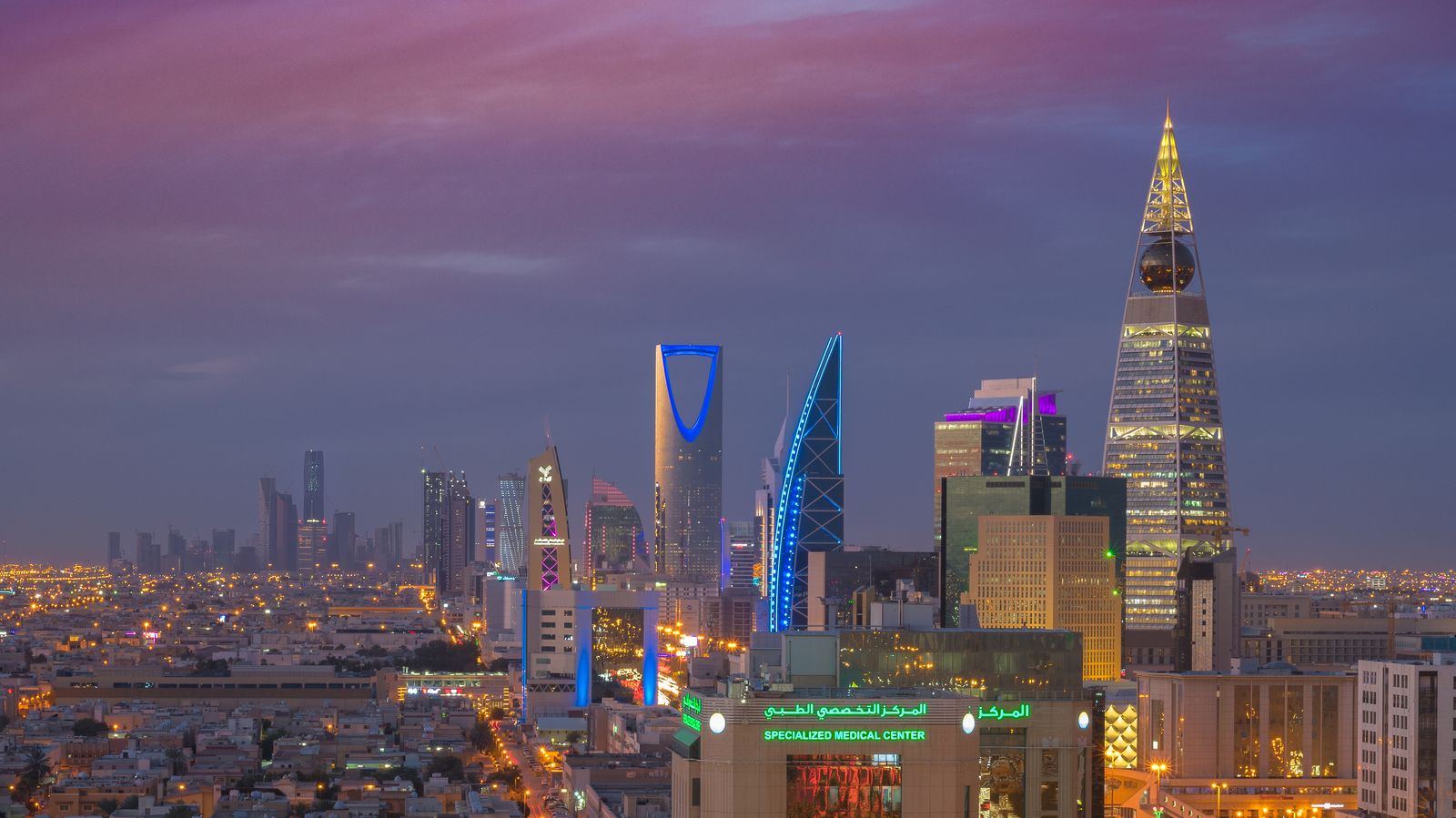
Riyadh is the political and administrative capital of Saudi Arabia and the centre of the Kingdom’s Vision 2030 transformation programme. It hosts the headquarters of Saudi Aramco, the world’s largest oil company, and is increasingly attracting international corporate investment, entertainment events, and tourism.
The security picture in Riyadh is more complex than it first appears. Crime is genuinely low. Personal safety on the streets is better than virtually any other P1 city. But three distinct risk categories require professional assessment: regional military threats, the legal environment, and road safety.
Regional context, April 2026
FCDO currently advises against all but essential travel to the UAE due to regional tensions (April 2026). The Middle East security environment is elevated. Houthi attacks on Saudi territory have continued alongside the Yemen conflict. While Riyadh has a sophisticated counter-drone capability, the threat of long-range attack on the capital is not historical.
A current risk assessment for Riyadh will reflect the prevailing regional threat picture, which changes more rapidly than most city-level assessments.
The legal environment
Nowhere else in the P1 network does the legal environment create risk for corporate visitors in the way it does in Saudi Arabia. Activities that are routine in European business culture can result in arrest, fines, or deportation in Riyadh. Employment disputes can result in travel bans that prevent departure.
Understanding these parameters before arrival is not optional. It is risk management.
Vision 2030 changes
Saudi Arabia has relaxed many social restrictions under Vision 2030. Mixed-gender events, entertainment venues, and a growing hospitality sector are now present in Riyadh. These changes are genuine. They do not negate the legal framework that governs all activity in the Kingdom. A visit briefing will distinguish between what has changed and what remains in effect. A risk assessment is the first step. See our Riyadh city security briefing for the operating picture, and our executive protection service for deployment options.
Assessment Components
Regional Conflict and Houthi Attacks
Houthi rebels in Yemen have conducted drone and ballistic missile attacks on Saudi territory, including strikes targeting Riyadh and oil infrastructure. FCDO notes attacks on Abha airport and Saudi Aramco facilities. Regional escalation in the Yemen conflict could increase attack frequency. The threat is real and periodic rather than daily.
IS Remnant Threat
IS has previously targeted Saudi security forces, Shia mosques, and government buildings. While significantly degraded, IS maintains intent against the Saudi state. The security apparatus in Riyadh is extensive and effective. Riyadh itself is well-protected, but the threat is not zero.
Legal and Cultural Risk
Saudi Arabia operates under strict Islamic law with enforcement. Zero tolerance for alcohol possession, drug use, and extra-marital relations applies to foreign nationals. Dress codes, gender-segregation requirements, and restrictions on public behaviour are enforced. Employment disputes can result in travel bans. Understanding and complying with these restrictions is a mandatory part of visit planning.
Road Safety
FCDO warns of poor driving standards in Saudi Arabia. High-speed driving on highways, distracted driving, and aggressive behaviour are common. Road accidents are a significant cause of injury and death. A security driver is recommended not primarily for crime prevention but for road risk management.
Visa and Access Control
Saudi Arabia has specific visa requirements and entry controls. Journalists and those with perceived ties to politically sensitive organisations face additional scrutiny. Some nationalities face travel restrictions. Verify entry requirements before planning travel.
Crime Levels
OSAC rates Riyadh crime as low. FCDO notes a 'low rate of crime'. Strict law enforcement and significant penalties are effective deterrents. Violent crime against foreign nationals is very rare. Riyadh's primary security concerns are regional terrorism and legal risk, not street crime.
Data-led risk analysis from verified sources
Frequently Asked Questions
Request a Consultation
Describe your security requirements below. All enquiries are confidential and handled by licensed consultants.
Your enquiry has been received. A security consultant will contact you within 24 hours to discuss your requirements.