Risk Assessments
Karachi Security Assessment
Pre-travel risk assessment for Karachi, Pakistan. TTP terrorism, critical kidnapping threat, DHA safe zones, and the most complex P1 security environment assessed.
Essential travel to Karachi? Request a specialist security assessment.
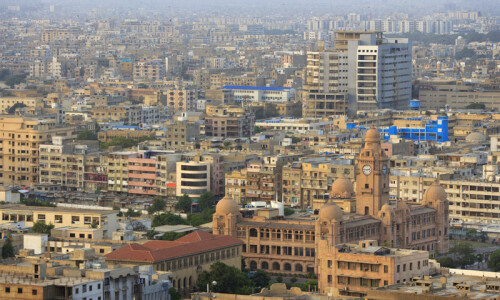
Karachi is Pakistan’s largest city, its commercial capital, and the hub of the country’s financial and industrial sectors. With 15 million people and one of the busiest ports in the Indian Ocean region, it remains a critical operating environment for multinationals with Pakistan exposure and for any organisation working in the country.
FCDO advises against essential travel to several parts of Pakistan. The State Department rates Pakistan at Level 3 (Reconsider Travel). OSAC rates crime in Karachi as critical. Terrorism, kidnapping, and civil unrest are all rated at maximum or near-maximum threat levels. This is not a city where standard corporate travel precautions are sufficient.
The compound threat environment
What makes Karachi distinctive in the P1 network is the simultaneous operation of multiple severe threat categories. In most cities, one threat type dominates: crime in Johannesburg, terrorism in Nairobi, legal risk in Dubai. In Karachi, terrorism, kidnapping, street crime, civil unrest, and police unreliability all operate at high levels simultaneously.
This means that security arrangements must address multiple vectors at once. The solution in DHA and Clifton is a combination of vetted transport, local operator network, advance clearances, and a communications plan that works even when mobile networks are cut.
The railway travel prohibition
FCDO explicitly advises against all railway travel in Pakistan. This is not a general caution. It reflects the documented pattern of terrorist attacks on Pakistan’s railway infrastructure, including the March 2025 BLA hijacking of the Jaffar Express in which 64 people were killed. No railway travel should feature in any security-approved itinerary in Pakistan.
Advance clearances and NOCs
Travel to some areas of Pakistan requires a No Objection Certificate (NOC) from provincial authorities. This is not a bureaucratic formality. It reflects the genuine security management system that operates around foreign nationals in parts of the country. Obtaining NOCs takes time and requires local knowledge. A risk assessment for Karachi will identify which areas of your itinerary require advance clearances and manage that process. A risk assessment is the first step. See our Karachi city security briefing for the operating picture, and our executive protection service for deployment options.
Assessment Components
Terrorism: Multiple Active Groups
Pakistan has some of the highest terrorism threat levels globally. Active groups include Tehreek-e Taliban Pakistan (TTP), Islamic State Khorasan Province (ISKP), Balochistan Liberation Army (BLA), and al-Qaeda. Recent attacks: February 2026 suicide bombing at Islamabad mosque (36 dead), January 2026 BLA coordinated attacks across Balochistan (48-plus dead), October 2024 suicide attack near Karachi Jinnah International (4 dead including 2 Chinese nationals), March 2025 BLA hijacking of Jaffar Express train (64 dead). Source: FCDO Pakistan travel advice.
Kidnapping: Critical Threat Level
OSAC rates kidnapping in Karachi as critical. FCDO specifically warns that British nationals of Pakistani origin are targeted because they are perceived as wealthier than local residents. Terrorist kidnapping, criminal ransom kidnapping, and express kidnapping are all documented threat types. The British government does not pay ransoms.
Transport: No Safe Public Option
FCDO explicitly advises avoiding all public transport in Pakistan. This includes the Metro Bus, all trains (following multiple terrorist attacks on railways including the Jaffar Express hijacking in 2025), and e-taxis and online taxi apps. Pre-vetted private drivers with advance route checks are mandatory. Armoured vehicles are recommended for all high-profile movements.
Airport Approach Risk
Jinnah International Airport was the site of a suicide attack in October 2024 (4 dead). The airport approach and drop-off area is a known risk zone. Security arrangements must include a specific protocol for airport arrival and departure, including the transfer vehicle and holding arrangement.
Civil Unrest and Information Blackouts
Mobile data and internet are cut without warning during civil unrest in Pakistan. Major roads are blocked. Political demonstrations can start with limited notice. Election periods are particularly volatile. Communication contingency planning must account for loss of mobile connectivity as a probable event, not a remote possibility.
Legal and Police Risk
Police in Karachi are under-resourced, and corruption is present. Rangers (paramilitary) supplement policing but their operations can be violent. Drug laws are strict. Travel to some areas requires a No Objection Certificate (NOC) from authorities. Foreign visitors may face scrutiny and delays at security checkpoints throughout the city.
Data-led risk analysis from verified sources
Frequently Asked Questions
Request a Consultation
Describe your security requirements below. All enquiries are confidential and handled by licensed consultants.
Your enquiry has been received. A security consultant will contact you within 24 hours to discuss your requirements.