Poland · Close Protection & Executive Security
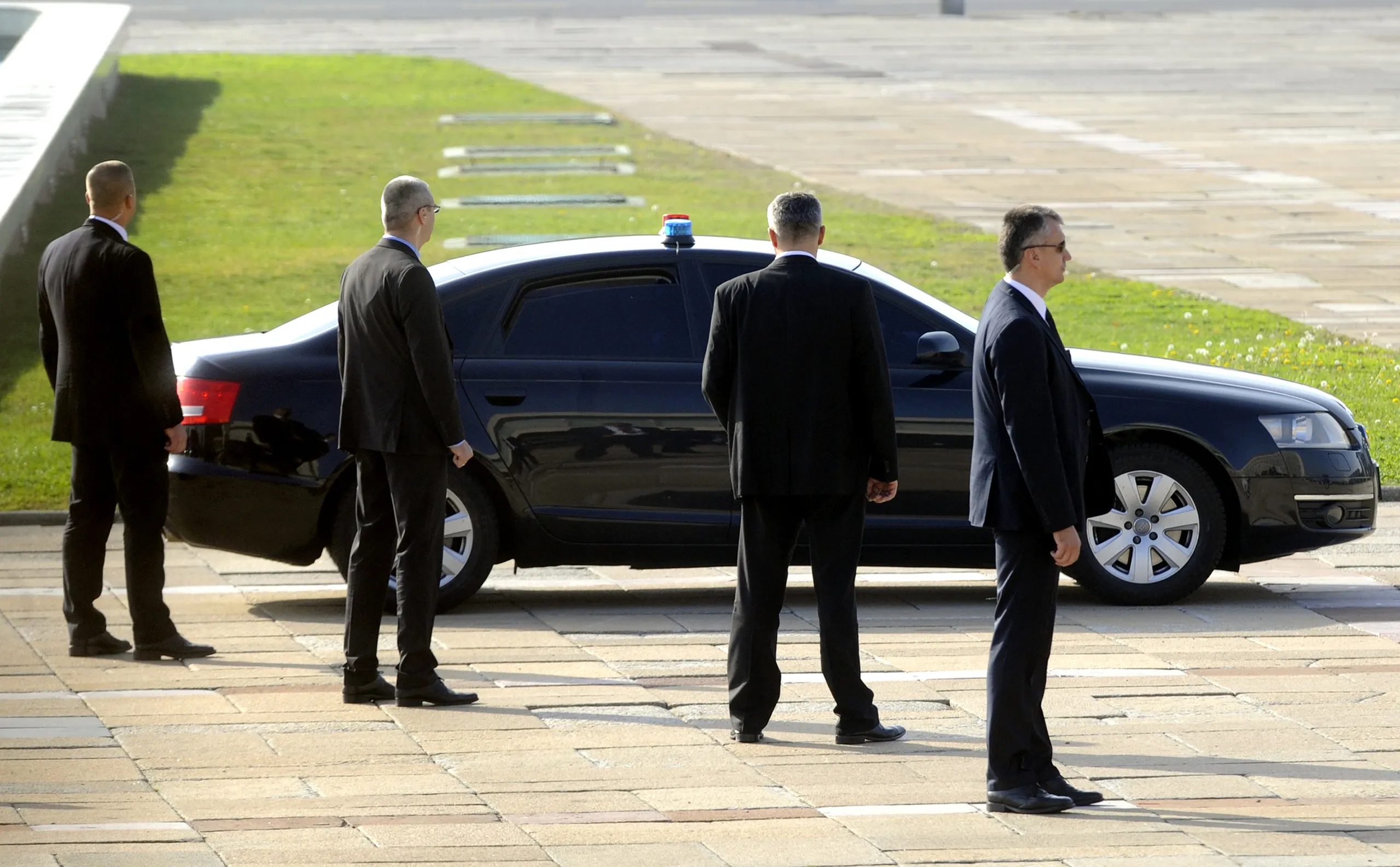
Close Protection in Warsaw, Poland
Close protection in Warsaw, Poland. Counter-intelligence awareness, NATO-region security and licensed operators for corporate, defence and Ukraine-support visitors.
Planning travel to Warsaw? Speak with a security consultant.
Warsaw has become one of Europe’s strategically important business capitals, driven by its role as a NATO and EU member state and significantly elevated by its position as the primary Western logistics centre for Ukraine support since 2022. This strategic prominence has reshaped its security environment: a fundamentally safe European capital now sits at the centre of an active hybrid-threat environment that affects a specific population of principals.
The security landscape
Poland is a functioning democracy with effective law enforcement and emergency services, and Warsaw’s day-to-day security environment is manageable for standard business travel. Day-to-day crime is low by European capital standards, concentrated in pickpocketing and a rise in vehicle theft. For a routine commercial visit, the security requirements are standard European precautions and, where useful, a vetted driver.
The elevated considerations are specific to certain profiles: those with NATO-adjacent roles, defence sector executives, Ukraine-support business leaders, and government officials working on Eastern European policy. For these groups, Warsaw’s proximity to the conflict and the active presence of Russian and Belarusian intelligence services create a materially elevated espionage and targeting risk.
The hybrid-threat escalation
What distinguishes Warsaw’s current environment from conventional espionage is the documented escalation toward hybrid action. Sabotage and arson incidents linked to hostile state services have been recorded in Poland, and Polish authorities and the ABW have publicly attributed a number of incidents to Russian-directed operations. This marks a shift from intelligence collection to physical disruption, and it means that physical security of facilities and supply chains is now part of the security picture for organisations involved in Ukraine support, alongside the long-standing information security dimension.
For relevant principals, the practical response combines counter-surveillance measures during movements, information security protocols covering Ukraine-related communications, and awareness briefings on the current hybrid-threat environment.
The eastern border
The Poland-Belarus border is a distinct and more volatile environment. An engineered migration crisis, with Belarusian authorities orchestrating irregular migrant pushes toward Poland, has produced periodic incidents involving Belarusian forces. Poland maintains border barriers and enhanced security measures, and parts of the border zone are subject to access restrictions. Any travel toward the eastern border requires a specific intelligence briefing rather than reliance on the general Warsaw security assessment.
Our operations in Warsaw
Our operators hold valid Polish security licensing and have documented experience with the NATO-region and Ukraine-support operating environment. We provide close protection, security drivers, residential security, and counter-intelligence briefing for relevant principals, drawing on Poland and Eastern European expertise.
For regional context see our Berlin city page and Kyiv travel assessment.
Source: FCDO Poland travel advisory (April 2026). Polish ABW Internal Security Agency public statements 2024-25. Poland-Belarus border incident reporting. OSAC Poland Country Security Report 2025.
Threat Profile
Espionage and Hybrid Threats
Russia and Belarus maintain active intelligence operations targeting Poland, particularly around NATO-related activities, defence sector operations, and Ukraine-support logistics. Poland's ABW (Internal Security Agency) has conducted multiple operations against foreign intelligence networks. Sabotage and arson incidents linked to hostile state services have been documented in Poland, marking an escalation from conventional espionage to hybrid action.
Regional Instability
Poland borders Ukraine, where active conflict continues as of 2026, and Belarus. While the conflict has not directly affected Polish territory, the proximity creates potential for cross-border incidents, sustained refugee movement, and the presence of adversarial intelligence services. Poland is the primary NATO logistics hub for Ukraine support, which raises its strategic profile.
Border Tensions
The Poland-Belarus border has been the site of an engineered migration crisis, with irregular migrant pushes orchestrated by Belarusian authorities, and periodic incidents involving Belarusian forces. The border area carries specific risk and is subject to enhanced security measures and access restrictions.
Petty Crime
Warsaw has relatively low crime rates by European capital standards. Pickpocketing occurs in central areas (the Old Town, the central railway station) and on public transport. Vehicle theft has increased in recent years.
Vetted operators with direct experience in Warsaw
Available Services in Warsaw
Bodyguard Hire
Licensed close protection officers for corporate executives, government officials, and NATO-adjacent principals visiting Warsaw.
Executive Protection
Full security details for senior principals attending NATO-related meetings, EU Eastern Partnership engagements, and major corporate events in Warsaw.
Security Drivers
Vetted drivers for Chopin airport transfers, city movement, and intercity travel to Krakow, Poznan, and the Ukrainian border crossing points.
Residential Security
Security assessment and management for expatriate residences in Mokotow, Wilanow, and Zoliborz districts.
Security Regulations
Key regulatory requirements for operating security services in Warsaw.
Firearms Policy
Poland's Act on Firearms and Ammunition governs all weapons. Private security companies must be licensed by Poland's Ministry of Internal Affairs. Armed security requires specific concessions. The Polish security sector is well developed and regulated, reinforced by the country's NATO role.
Licensing
Security companies require licensing under Poland's Physical Security Services framework. Individual operators require relevant Polish certification. EU operators have some cross-border provision rights, but armed security remains under national rules.
Foreign Operators
EU security companies have easier access to Poland than non-EU operators under the EU Services Directive. Armed security must use Polish-licensed personnel or operators with appropriate Polish authorisation.
Zone Intelligence
Lower-Risk Areas
- Mokotow and Wilanow: Residential suburbs south of the centre with lower crime rates and embassy presence.
- City Centre (Srodmiescie): Main business district with active security presence and a manageable environment.
- Zoliborz: Northern residential district with a quiet security profile.
Elevated-Risk Areas
- Central railway station (Warszawa Centralna) area: Higher petty crime concentration.
- Old Town tourist areas: Pickpocket risk in summer crowds.
- Eastern Poland near the Belarus and Ukrainian borders: Separate advisory applies; the border zone is subject to access restrictions and enhanced security measures.
Emergency Contacts
Emergency (EU standard)
112
Police
997
Ambulance
999
Fire
998
Important Warnings
- The conflict in Ukraine creates indirect security considerations for personnel working on Ukraine-related business from Warsaw. Counter-surveillance measures are appropriate for those with high-profile NATO or Ukraine-support roles.
- Do not approach the Belarus border without a specific intelligence briefing. The border zone is subject to access restrictions, and incidents involving irregular migrants and Belarusian forces have occurred.
- Hostile state intelligence services target individuals in Poland associated with NATO or Ukraine support, and have moved beyond conventional espionage to documented sabotage and arson. Apply appropriate information security measures.
Frequently Asked Questions
Request a Consultation
Describe your security requirements below. All enquiries are confidential and handled by licensed consultants.
Your enquiry has been received. A security consultant will contact you within 24 hours to discuss your requirements.