Oman · Close Protection & Executive Security
Close Protection in Muscat, Oman
Close protection in Muscat, Oman. Regional-stability planning, vetted transport and licensed operators for energy and corporate visitors in the Omani capital.
Planning travel to Muscat? Speak with a security consultant.
Muscat is Oman’s capital and a growing hub for regional business, particularly in energy, logistics, and the developing Special Economic Zones at Duqm and Sohar. Oman’s Vision 2040 programme is driving significant infrastructure investment and attracting increased corporate interest from the energy, maritime, and financial sectors. Within the GCC, Muscat occupies a distinctive position as a politically neutral, low-crime capital with a security environment that differs materially from its higher-profile neighbours.
Oman’s political neutrality as a security asset
Oman’s foreign policy neutrality is one of the most consistent features of the country’s strategic positioning, and it has material security implications. The Sultanate has maintained constructive relations with Iran, the Gulf states, Yemen’s various factions, and Western powers simultaneously. This neutrality has insulated Oman from the direct attack risk that has affected Saudi Arabia and the UAE from Houthi operations, and has meant that Oman is not a target for the political violence that periodically affects other GCC states.
For corporate visitors, the practical implication is a security environment that is genuinely less demanding than most of Oman’s neighbours. The terrorism threat is low, the political environment is stable, and violent crime is uncommon.
Yemen proximity and the border advisory
Oman’s southern Dhofar Governorate borders Yemen, and the FCDO advises against all travel within 30km of the Yemen border in that area. Houthi attacks have targeted Saudi Arabia and the UAE at various points in the conflict, but Oman itself has not been targeted. The border advisory reflects geographic proximity to an active conflict rather than an internal Omani security concern. Muscat and the main business centres are unaffected; the advisory is specific to southern border areas.
Legal and cultural risk
Oman’s legal system creates a category of risk that requires pre-travel briefing. Alcohol is available in licensed hotel venues but public intoxication and drinking outside licensed premises carry legal penalties. Dress standards apply to public spaces and government buildings. Photography of official buildings, ports, and military installations is restricted. These are enforced rules rather than advisory norms. A short pre-departure brief on Omani legal and cultural expectations is the appropriate preparation, particularly for team members unfamiliar with GCC operating environments.
Summer operations
Muscat’s summers require specific operational planning. Temperatures regularly exceed 40 degrees Celsius with high humidity from June through September. Outdoor exposure time for principals should be minimised, vehicle air-conditioning is a non-negotiable planning requirement, and physical activity schedules should be adapted to early morning or evening hours. This is a manageable environmental factor with correct planning rather than a reason to avoid travel.
Our operations in Muscat
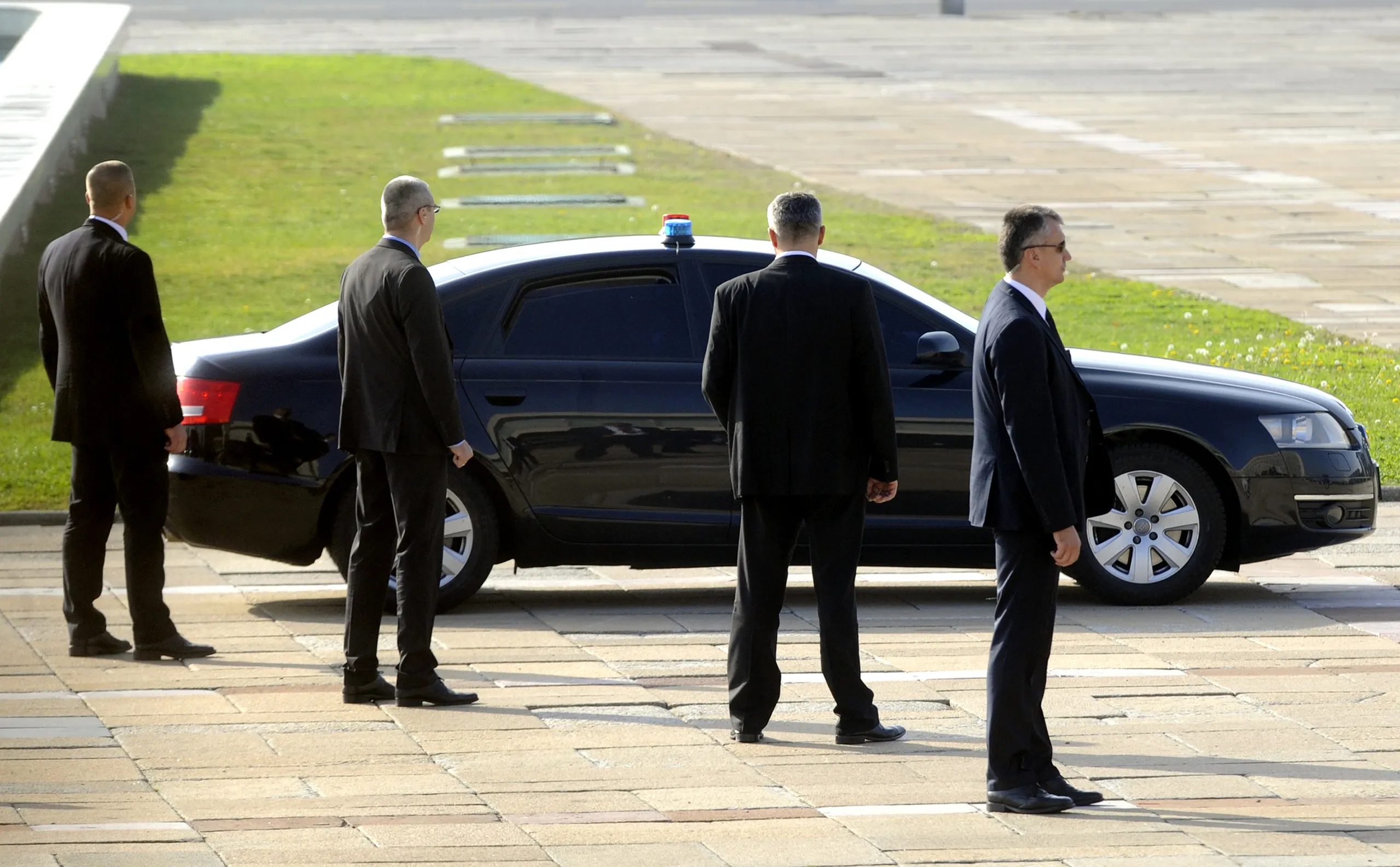
Our operators hold valid Royal Oman Police licensing and have Gulf region operational experience. We provide executive protection, security drivers, and residential security for corporate visitors to Muscat and intercity assignments within Oman.
For broader GCC context see our Dubai city page and Riyadh city page.
Source: FCDO Oman travel advisory (April 2026). Royal Oman Police private security licensing framework. OSAC Oman Country Security Report 2025. Oman Vision 2040 programme documentation.
Threat Profile
Regional Instability
Oman borders Yemen, where the ongoing Houthi conflict creates indirect risk. Houthi missile and drone attacks have targeted Saudi Arabia and the UAE but Oman has not been directly targeted. Oman's diplomatic neutrality and back-channel role in the Yemen negotiations has so far insulated it. The risk warrants monitoring on extended assignments but should not deter standard business travel to Muscat.
Terrorism
The FCDO rates the terrorism threat to Oman as low. Oman's neutral foreign policy and effective internal security services have kept the domestic terrorism threat significantly lower than most neighbouring GCC states. Standard vigilance at places of worship, major public gatherings, and transport hubs is appropriate.
Legal and Cultural Risk
Oman's legal system differs materially from Western norms. Laws on dress, alcohol consumption, public behaviour, and certain categories of photography carry real legal consequences. Commercial disputes can involve the legal system in ways that are unexpected for Western business visitors. Due diligence on business partners and a legal brief before substantive commercial engagements are appropriate.
Environmental Risk
Summer temperatures in Muscat regularly exceed 40 degrees Celsius, with high humidity. Physical activity outdoors during June to September carries significant heat exposure risk. Operations and principal movements should account for heat management, particularly for visits during the summer period.
Vetted operators with direct experience in Muscat
Available Services in Muscat
Bodyguard Hire
Licensed close protection officers for senior executives, visiting dignitaries, and HNWI clients visiting Muscat for business or private purposes.
Executive Protection
Full security details for corporate executives and government officials attending investment forums, bilateral meetings, and major conference events in Oman.
Security Drivers
Vetted drivers for Muscat International Airport transfers, city movement, and intercity travel to Salalah, Sohar, and the Duqm Special Economic Zone.
Residential Security
Security assessment and management for expatriate villas and compound residences in Al Mouj, Qurum, and Al Khuwair.
Security Regulations
Key regulatory requirements for operating security services in Muscat.
Firearms Policy
Oman's Arms and Ammunition Law strictly controls all weapons. Standard private security is unarmed. Armed protection for principals with appropriate threat justification is available through channels involving the Royal Oman Police.
Licensing
Private security companies must be licensed by the Royal Oman Police (ROP). Foreign security companies must operate through an Omani-licensed partner. Individual operators require ROP registration.
Foreign Operators
Foreign security personnel must operate through Omani-licensed security companies. The Royal Oman Police takes a conservative and compliance-oriented approach to foreign security operations.
Zone Intelligence
Lower-Risk Areas
- Al Mouj (The Wave): Premium residential and marina development with strong community security management and controlled access.
- Madinat Al Sultan Qaboos (MSQ): Diplomatic and senior residential district with established security infrastructure.
- Qurum: Established expatriate commercial and residential area with a moderate and stable security profile.
Elevated-Risk Areas
- Muttrah Souq and old commercial areas: Tourist market environment with higher petty theft risk and crowded conditions.
- Southern Oman (Dhofar Governorate) within 30km of the Yemen border: FCDO advises against travel in this specific area.
Emergency Contacts
Police / Ambulance / Fire
9999
Royal Oman Police non-emergency
24560099
Important Warnings
- The FCDO advises against all travel within 30km of the Yemen border in southern Oman. This advisory applies regardless of the current stability of Oman's internal situation and should be observed for any travel to Dhofar Governorate.
- Oman's laws on dress, alcohol, and public behaviour carry real legal consequences. Violations are enforced. Brief all personnel before deployment.
- Photography of government buildings, military installations, ports, and certain infrastructure is restricted. Observe signage and avoid photographing official infrastructure.
- Summer heat in Muscat (June to September) creates operational planning requirements. Schedule outdoor movements for early morning or evening, and ensure vehicles are air-conditioned and reliable.
Frequently Asked Questions
Request a Consultation
Describe your security requirements below. All enquiries are confidential and handled by licensed consultants.
Your enquiry has been received. A security consultant will contact you within 24 hours to discuss your requirements.