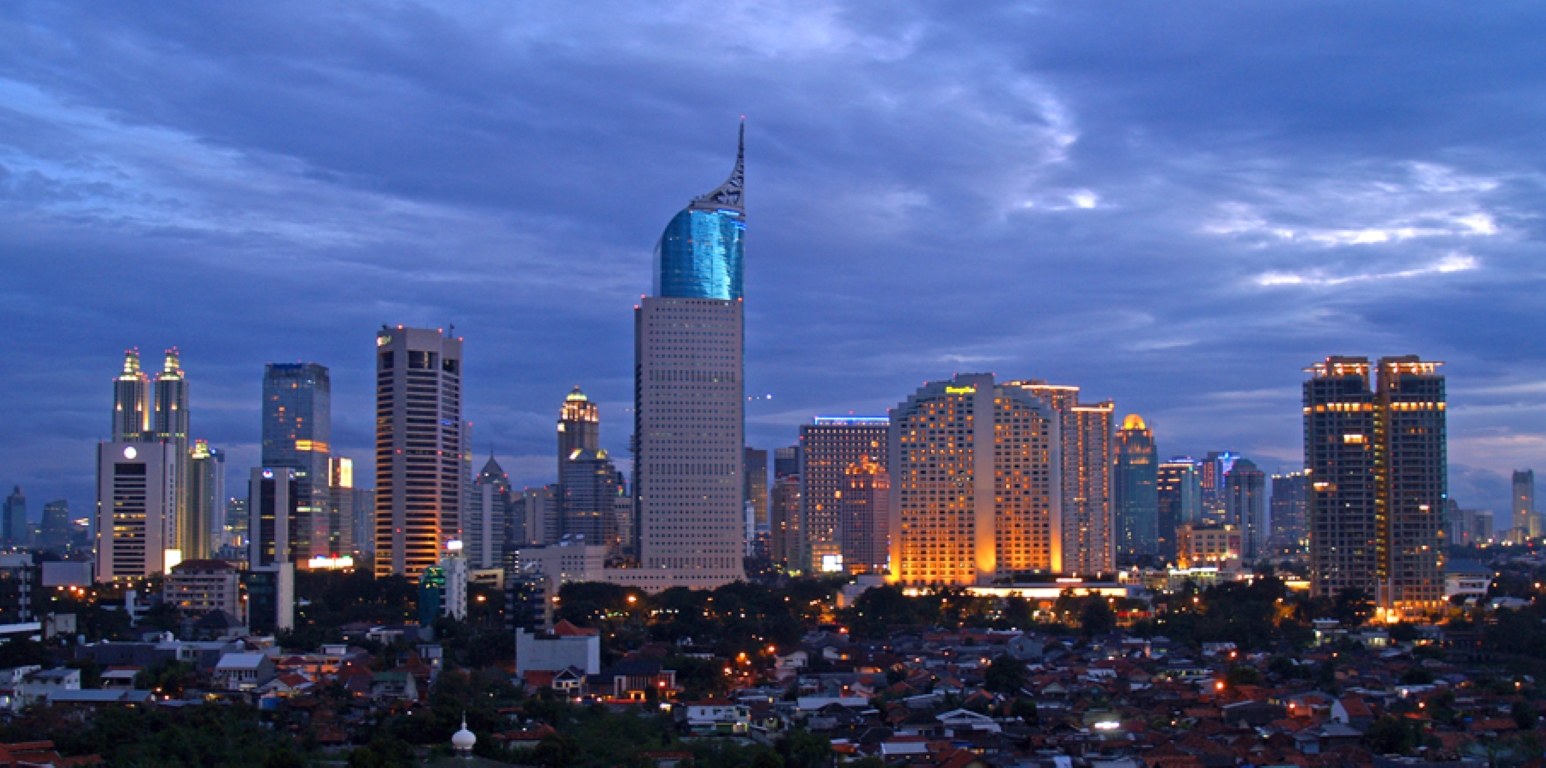
Indonesia · Close Protection & Executive Security
Close Protection in Jakarta
Close protection and executive security in Jakarta, Indonesia. Terrorism-aware planning, vetted secure transport and licensed operators for corporate visitors.
Planning travel to Jakarta? Speak with a security consultant.
Jakarta is Indonesia’s capital and the economic centre of Southeast Asia’s largest economy. The security environment combines a persistent terrorism threat with urban challenges including extreme traffic congestion, periodic flooding, and civil unrest. For corporate visitors, the risk is manageable with professional planning, but the combination of factors means Jakarta rewards preparation more than improvisation.
The terrorism threat
The terrorism threat is the primary security concern in Jakarta. The city has experienced multiple attacks over the past two decades, including the 2009 JW Marriott and Ritz-Carlton bombings, which killed 9 people, and the January 2016 Thamrin attack near a Starbucks in the central business district. IS-affiliated groups and domestic extremist networks remain active, and while Indonesian security forces have disrupted numerous plots, the FCDO assesses that terrorists are very likely to try to carry out attacks in Indonesia.
The target categories are consistent: Western businesses, international hotels, and places where people gather. For corporate visitors, the practical response is venue awareness, varied routines, and knowledge of emergency protocols at hotels and meeting locations. Advance work on each venue on the itinerary is a standard component of higher-profile assignments.
Civil unrest and movement disruption
Political protests and labour demonstrations occur regularly in Jakarta and can disrupt traffic and business operations. Large demonstrations, particularly around government buildings and the parliament, can escalate and are sometimes dispersed with force. The main effect for corporate travellers is disruption rather than direct threat, but it reinforces the value of real-time monitoring and pre-planned route alternatives. Avoiding all protests is the standard guidance.
Traffic, congestion, and movement planning
Jakarta has some of the worst traffic congestion in the world, and ground movement is consequently a core security consideration rather than a routine logistics task. Extended time in slow-moving or stationary traffic creates vulnerability windows, journey times are unpredictable, and motorcycle accidents are common. Motorcycle taxis, a common local response to congestion, are not an appropriate option for principals.
Effective Jakarta security planning treats movement as a discipline: multiple pre-planned routes, realistic timings built around congestion patterns, and a security driver trained to manage both the driving environment and its security implications. Flooding during the monsoon season adds a further layer, since severe flooding can close roads and isolate districts at short notice.
Our operations in Jakarta
Our operators hold valid Indonesian security registration under POLRI and have direct Jakarta experience. We provide close protection, executive protection, security drivers, and event security. Counter-terrorism awareness is integrated into all Jakarta assignments, and traffic management is a significant component of route planning, with multiple alternative routes identified for every movement.
Our Jakarta risk assessment provides current threat scoring and zone-specific guidance, and the Jakarta travel safety guide covers current FCDO advisory status. For the regulatory framework, see our guide to private security regulations in Indonesia.
Source: FCDO Indonesia travel advisory (April 2026). Thamrin attack, January 2016. JW Marriott and Ritz-Carlton bombings, July 2009. POLRI private security regulations. OSAC Indonesia Country Security Report 2025.
Threat Profile
Terrorism
Jakarta has experienced attacks from Jemaah Islamiyah and IS-affiliated groups, including the 2009 JW Marriott and Ritz-Carlton bombings (9 killed) and the January 2016 Thamrin attack near a Starbucks in the central business district. The FCDO assesses that terrorists are very likely to try to carry out attacks in Indonesia. Western businesses, hotels, and gathering places are primary target categories.
Civil Unrest
Political protests and labour demonstrations occur regularly and can disrupt traffic and business operations. Large demonstrations, particularly around government buildings and the parliament, can escalate and are sometimes met with force.
Street Crime
Petty theft, bag snatching from motorcycles, and credit-card fraud. Violent crime against foreign nationals is comparatively uncommon but occurs, particularly at night and in isolated areas.
Traffic and Road Safety
Jakarta has some of the worst traffic congestion in the world. Extended journey times create vulnerability windows during ground movements, and motorcycle accidents are common. Route and timing planning is an operational requirement.
Natural Hazards
Flooding during the monsoon season can isolate entire districts and disrupt transport and communications. Indonesia is also seismically active. Both are standard preparedness considerations.
Vetted operators with direct experience in Jakarta
Available Services in Jakarta
Close Protection
Licensed close protection officers with Jakarta operational experience and counter-terrorism awareness.
Executive Protection
Executive security details for corporate visitors and VIPs, with advance work and venue assessment.
Security Drivers
Professional drivers with Jakarta route knowledge, security training, and real-time intelligence on congestion, flooding, and protest activity.
Event Security
Venue assessment and security teams for corporate events, conferences, and private functions.
Security Regulations
Key regulatory requirements for operating security services in Jakarta.
Firearms Policy
Firearms are strictly controlled in Indonesia. Armed private security is limited and requires police authorisation; most close protection is unarmed.
Licensing
Private security is regulated by POLRI (the Indonesian National Police) and the Ministry of Manpower. Companies must hold valid registration and operators require certification.
Foreign Operators
Foreign operators require work permits (KITAS) and local registration. Indonesian-licensed operators are preferred and used for all practical assignments.
Zone Intelligence
Lower-Risk Areas
- SCBD (Sudirman Central Business District) and Sudirman-Thamrin corridor: Primary financial district. International offices, five-star hotels, and concentrated security infrastructure.
- Kuningan: Embassy and corporate district with strong security presence and major international hotels.
- Menteng: Established upmarket residential and diplomatic area, generally lower crime than the city average.
Elevated-Risk Areas
- Areas around government buildings and parliament during protests: Demonstrations can escalate and disrupt movement at short notice.
- Kota Tua (old town) and crowded markets: Higher petty-crime and bag-snatching activity.
- Isolated areas and unlit streets after dark: Elevated robbery risk; avoid unplanned movement at night.
Emergency Contacts
Police
110
Ambulance and Medical Emergency
118 or 119
Fire
113
Search and Rescue (BASARNAS)
115
Important Warnings
- The terrorism threat in Jakarta is active and has targeted Western businesses, hotels, and gathering places. Vary routines, avoid predictable patterns, and maintain awareness of emergency protocols at hotels and venues.
- Jakarta's traffic is among the worst in the world. Journey times are unpredictable and create extended vulnerability windows. Plan multiple routes and realistic timings for every movement.
- Monitor weather conditions during the monsoon season (roughly October to April). Severe flooding can isolate entire districts and disrupt transport and communications.
- Avoid all protests and large demonstrations, particularly around government buildings and parliament. These can escalate and are sometimes dispersed with force.
- Use only pre-arranged transport or reputable ride-hailing services. Be alert to credit-card fraud and ATM skimming.
Frequently Asked Questions
Request a Consultation
Describe your security requirements below. All enquiries are confidential and handled by licensed consultants.
Your enquiry has been received. A security consultant will contact you within 24 hours to discuss your requirements.